Can Diabetes Be Reversed?
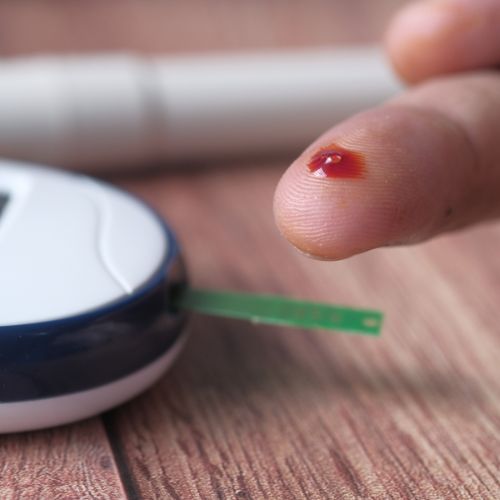
Diabetes is a condition that happens when your blood sugar (glucose) is too high.
Whenever we eat especially foods containing carbohydrates, glucose or sugar enters the bloodstream. This temporary increase is a normal and healthy response. If you’ve visited my website, you may have seen the tests I’ve done with different foods (you can find the link here).
In those tests, you can observe how my blood sugar rises after eating and then returns toward baseline. That rise often called a blood sugar spike — is not something to fear because our body have a built-in system designed to handle these increases. Your pancreas creates a Hormones called insulin to manage that extra sugar(insulin help move glucose from the blood into cells) where it’s used for energy or stored for later. When this system is working well, blood sugar rises and falls smoothly.
So when should we be concerned?
Concern begins when this built-in system does not function properly — when blood sugar stays elevated longer than it should or when the body struggles to respond effectively.
When blood sugar regulation is impaired over time, two major conditions can develop:
Type 1 diabetes, where the body produces little or no insulin
Type 2 diabetes, where the body becomes resistant to insulin or does not use it efficiently
These conditions are different in cause and mechanism, but both involve problems with blood sugar regulation.
Understanding the difference between a normal, temporary rise in blood sugar and a persistent imbalance is essential.
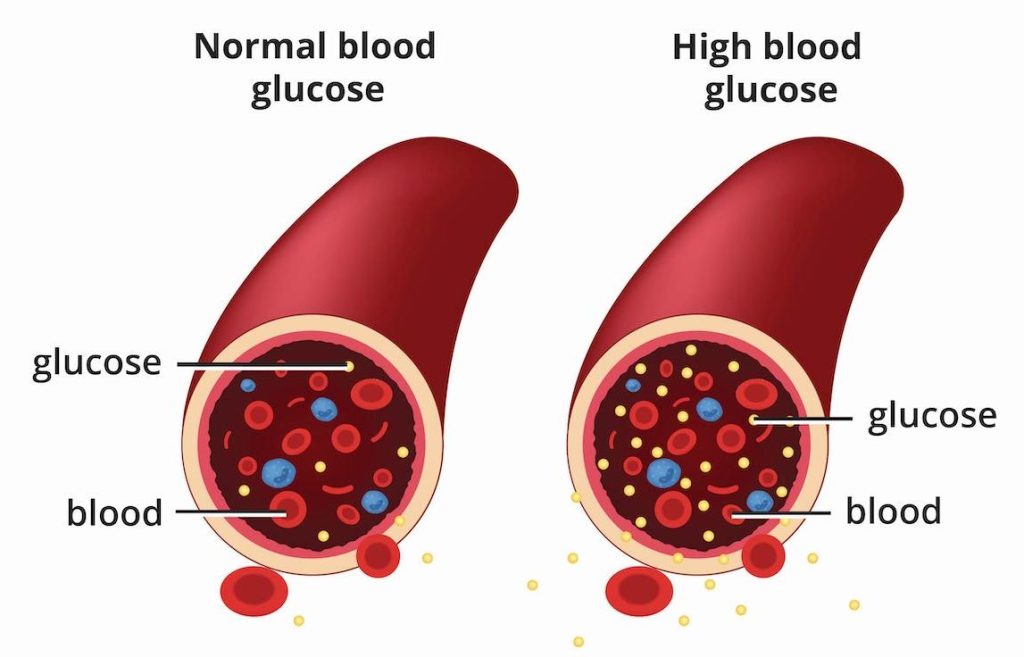
The goal is not to eliminate blood sugar increases, it’s to help the body manage them effectively.
What I’ve Observed While Working With People
Recently I had a long conversation with a friend who lives with Type 1 diabetes.
Type 1 diabetes means the body depends on insulin — medication is not optional, it’s necessary.
Medication plays a vital role in keeping him safe and stable but what surprise me was something else.
He eat medicine like food but his diet is still unhealthy.
His focus was entirely on managing his health through medicine.
Someone long time back said if you don’t eat your food like medicine, you’ll be forced to eat medicine like your food.
That’s exactly what my friend was going through but it’s not just my friend, I have seen this pattern for many people!
Medication vs. Daily Habits
Don’t misunderstood me, my intention is not to blame medicine or telling people to stop treatment.
Medicine can be essential but medicine alone doesn’t compensate for habits that consistently work against the body.
Many people rely entirely on treatment and ignore the basic things that support good health — food quality, movement, rest and daily rhythm.
A Simple Analogy
Imagine you own a car
Every day you add just one gram of salt into the gas tank. What will happen?
Nothing happens immediately, the car still runs everything seems fine but over time the salt damages the system.
Eventually the gas tank starts leaking.
The car stops functioning
You take it to a mechanic, the tank is repaired but if the mechanic never identifies the real cause…. and you keep adding that one gram of salt — the problem will return again and again.
The repair helps temporarily but the damage continues.
When it comes to health, medicine often acts like that repair
It helps manage the situation, sometimes it’s lifesaving.
But if the root causes — daily habits that strain the body are never addressed the system remains under constant stress.
Over time, this leads to repeated problems, complications and frustration.
True progress happens when treatment and daily habits work together.
This understanding is what drives my focus on principles — not as replacements for medical care but as foundations that support it.
I follow 10 daily principles to support healthy blood sugar and I encourage my clients to practice them as well.
If you’d like to learn what those principles are simply enter your email address below and I’ll send you a copy of those 10 principles!