I Did a 36-Hour Fasting challenge...
When I was a kid, I used to take lot of risks and do things without thinking but somewhere along the way, something changed
Comfort grew.
Fear grew.
Excuses became easier.
Noticed I am not taking any more risks for the past few months or years.
And recently, I started asking myself: “How long I want to live like this?”
Not anymore.
That’s why I decided to challenge myself with a 36-hour fast.
Not because fasting is trendy.
Not because I want attention.
But because I wanted to prove to myself that I can still do difficult things.
And the interesting part is…fasting gives multiple benefits.
Fat loss.
Mental clarity.
Discipline.
Better control over cravings.
A stronger mindset.
But the biggest benefit?
You start trusting yourself again.
The first 12 hours were surprisingly easy
I didn’t feel much hunger, weakness or discomfort.
It almost felt like a normal day which made me wonder why people describe fasting as something extremely difficult
But after those first 12 hours, things started to change
I suddenly became very sleepy
My energy dropped and my body felt slower than usual
It was interesting because it didn’t feel like normal tiredness it felt deeper, almost as if my body was asking me to stop and rest.
So I slept and after the sleep I woke up with a slight headache.
At that moment, I realized fasting is not just about “not eating.”
Your body is going through adjustments and hydration and electrolytes become very important.
So I decided to take some electrolytes powder and that helped reduce the headache.
Please scroll down to read more about What Happens When You Start a 36 Hour Fast?
What Happens When You Start a 36 Hour Fast?
At first everything feels normal (12 hours I didn’t feel like I am doing a 36-hour fasting challenge).
Because your body is running on the last meal.
Glucose from food flows through your bloodstream like rush-hour traffic while insulin directs that sugar into your muscles and liver for storage.
The liver tops up its glycogen tanks.
The pancreas runs on autopilot and is about to go on vacation.
Fat cells sit around doing nothing, waiting their turn.
Even your brain is getting enough energy so you don’t feel anything special but the count down has already started.
Once the last meal energy is gone that is when you feel something.
The Early Phase
Once your last meal is fully processed digestion gradually slow down.
Your stomach busy braking the food apart goes quiet.
With no new food to manage, energy once spent on digestion is redirected elsewhere.
During this phase your body is still running on glucose fuel from recent meals.
Blood sugar remains stable hydration levels are generally steady and toxin levels are low.
Nothing dramatic yet, this is when I thought “fasting is easy” but I didn’t know something else is waiting.
12 hours and I don’t feel anything special so I went to the park and did some exercise (press the play button below please)
Next Phase
This phase is often where people feel the most discomfort during a 36 hour fast overall.
It’s noticeable but temporary.
This is when I felt extreme sleepy.
As the hours pass without food digestion shuts down completely blood sugar begins to dip and insulin clocks out.
That’s when your body shifts gears, the liver unlocks its emergency bank glycogen, a short-term energy reserve stored mainly in the liver like a built-in backup battery.
It starts dripping sugar into your bloodstream to keep your blood sugar steady, your brain powered your muscles moving and your mood mostly intact.
But this backup doesn’t last forever.
As glycogen runs low, the liver starts conserving energy like a phone on 10% battery.
Your stomach meanwhile, didn’t get the memo, its growls become louder and harder to ignore with each passing hour.
Hunger creeps in discomfort sets in and hormones like ghrelin nudge your brain asking if anybody is bringing food.
It can feel unsettling, and it’s easy to assume something is “wrong” or that you’re pushing your body too far.
But physiologically this is completely normal.
Your body isn’t in danger; it’s just adapting to the sudden lack of food.
While your stomach protests, your liver quietly prepares for the next metabolic shift setting the stage for your body’s internal systems to take over.
The Metabolic Switch
From Sugar to Fat-burning Mode
One of the reason why I decided to do this 36 hour fast is to experience that fat burning phase.
If you’re following me you know that I was doing an other challenge last month drinking beer every day and I gained almost 10kg extra fat just by doing one extra thing.
Body fat is stored energy but your body never use that stored energy unless you allow it. When you’re doing a 36 hour fast, your body is forced to use the stored fat.
This is exactly what I wanted because fat especially visceral fat is very dangerous. Visceral fat will take you to hospital if you don’t reduce it.
So when I was feeling extremely sleepy I understood my body is switching its gear…
Because once glycogen is depleted your body remarkably switches fuel sources again, this time diving into long-term energy storage.
Fat cells open their vaults, releasing stored fatty acids into the bloodstream while the liver converts them into ketones, a cleaner, highly efficient fuel.
Think of it as switching from gasoline to solar power.
This marks the beginning of full fat-burning mode.
This is when the 36 hour fasting benefits really start to hit.
Hunger often fades into background noise energy feels steadier heart rate settles, mood swings ease and your brain feel sharper and more focused than expected.
At this stage your metabolism flips and your body start performing without needing of food but using stored energy(fat).
The liver refines fuel like a high-end factory, blood sugar stabilizes, inflammation markers decrease and even your cells ramp up their cleanup, working like a system upgraded overnight.
I was feeling little bit of headache during the 24th hour but I ignored anyway and went for badminton because I want to experience the next benefit of 36-hour fasting that is autophagy!
Next Phase -Autophagy
The real benefits of a 36 hour fast don’t stop at fat burning.
With digestion on pause and fat being the primary fuel your body redirects attention inward.
Around the 24-hour mark, your organs start collaborating and your cells gain the time they need to do essential work.
This is when autophagy kicks in, in other words cellular housekeeping.
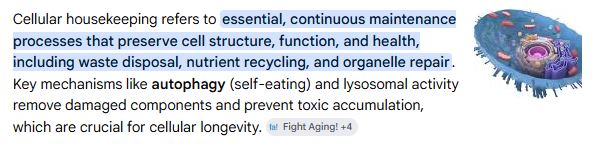
Damaged proteins, worn-out components examples include cartilage in joints (leading to arthritis), ligaments and tendons (becoming less elastic), muscle tissue (sarcopenia), teeth (enamel wear) and cellular junk are broken down and recycled.
It’s not punishment; it’s essential maintenance, a deep system clean-up that only happens when energy isn’t constantly diverted to digesting food.
Even your immune system joins the effort, clearing out old cells to make room for new ones.
You may notice feeling lighter, not just from fewer calories but because your body is literally decluttering from the inside out.
A Shift is Happening
As fasting continues your body fully settles into this new rhythm.
Fat metabolism takes the lead and insulin sensitivity improves.
Growth hormone rises, supporting muscle preservation, tissue repair and keeping fat supplying energy efficiently.
Mental clarity is often stable or even improved despite lower physical energy.
At this point, the body isn’t conserving, it’s optimizing.
Your heart hums, your liver runs smoothly, your gut health is intact and your brain stays sharp.
What began as internal chaos has now shifted into a steady rhythm.
By the end of a 36 hour fast, many of your body’s systems are working in harmony.
Autophagy is elevated, metabolic processes run efficiently and energy production becomes steady rather than reactive.
With digestion paused, internal repair takes priority: proteins are recycled damaged cells are cleared and the body operates in a calmer more balanced state.
I made a mistake because coffee without sugar is allowed during the 36 hour fasting challenge but I drank 3 coffees around 7 PM that affected my sleep.
So yes coffee without sugar is allowed but drink in the early hours and avoid before going to bed.
How much did I lose after the 36 Hour Fast?
So far the best result!
How to Break a 36 Hour Fast Safely?
After prolonged fasting your digestive system is sensitive.
Gentle balanced meals rich in protein, fiber and healthy fats can help ease the transition back to regular eating.
Large, highly processed meals can overwhelm the system and undo some of the benefits gained during the 36 hour fasting process.
Note: I break my fast with 250ml high fat Cappuccino. Avoid milk if you’re allergic to milk.
36 Hour Fast Rules and Safety Measures
- Pregnant or breastfeeding women
- People with a history of eating disorders
- Individuals with diabetes or blood sugar regulation issues
- Those taking medications that require regular food intake
- People with chronic medical conditions without medical supervision
- Individuals experiencing frequent or severe sleep disturbances